


![Couverture du livre 100 Eternal Masterpieces of Literature [volume 1] - DUMAS ALEXANDRE - 9789897780011](http://www.gallimardmontreal.com/system/articles/images/imagette/9789897780011.jpg?1662208714)
![Couverture du livre 30 Obras-Primas da Literatura Mundial [volume 1] - DUMAS ALEXANDRE - 9789897789380](http://www.gallimardmontreal.com/system/articles/images/imagette/9789897789380.jpg?1661874104)


Recherche détaillée
 Livraison gratuite
Certificats cadeaux
Livraison gratuite
Certificats cadeaux
- Bibliothèque de la Pléiade
-
Littérature
- Littérature française
- Littérature québécoise et canadienne
- Littérature américaine
- Littérature anglaise
- Littérature allemande
- Littérature russe
- Littérature d'Europe centrale
- Littérature italienne
- Littérature hispano-ibérique
- Littérature portugaise
- Littérature nordique
- Littérature moyen-orientale
- Littérature asiatique
- Littérature indienne
- Littérature africaine
- Littérature des Caraïbes
- Littérature gay & lesbienne
- Littérature antique et du Moyen-Âge
- Poésie
- Théâtre
- Poésie québécoise
- Théâtre québécois
- Romans Policiers
- SF/ Fantastique
- Essais littéraires
- Philosophie
- Histoire
- Sciences humaines
- Jeunesse
- Bandes dessinées
- Arts
- Québec
- Voyages
- Dictionnaires et références
- Livres lus
- Pratique
- Revues et magazines
- Autres
Top 5 - meilleure vente
-
 version électronique disponible
Alias Nina P. 2 Atout (L') Archambault Chloé 31,95 $
version électronique disponible
Alias Nina P. 2 Atout (L') Archambault Chloé 31,95 $ -
 version électronique disponible
Votre bien-être numérique 7 étapes pour le développer au Michel Laurie 29,95 $
version électronique disponible
Votre bien-être numérique 7 étapes pour le développer au Michel Laurie 29,95 $ -
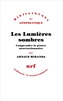 Lumières sombres : comprendre la pensée néoréactionnaire (Les) Miranda Arnaud 36,95 $
 -
 Obsolescence de l'homme 1 (L') ANDERS Günther 57,37 $
 -
 Jusqu'au bord de son ravin : les verbes de l'écriture MOUAWAD WAJDI 39,95 $


