


Recherche détaillée
 Livraison gratuite
Certificats cadeaux
- Bibliothèque de la Pléiade
-
Littérature
- Littérature française
- Littérature québécoise et canadienne
- Littérature américaine
- Littérature anglaise
- Littérature allemande
- Littérature russe
- Littérature d'Europe centrale
- Littérature italienne
- Littérature hispano-ibérique
- Littérature portugaise
- Littérature nordique
- Littérature moyen-orientale
- Littérature asiatique
- Littérature indienne
- Littérature africaine
- Littérature des Caraïbes
- Littérature gay & lesbienne
- Littérature antique et du Moyen-Âge
- Poésie
- Théâtre
- Poésie québécoise
- Théâtre québécois
- Romans Policiers
- SF/ Fantastique
- Essais littéraires
- Philosophie
- Histoire
- Sciences humaines
- Jeunesse
- Bandes dessinées
- Arts
- Québec
- Voyages
- Dictionnaires et références
- Livres lus
- Pratique
- Revues et magazines
- Autres
Top 5 - meilleure vente
-
 version électronique disponible
Dos de Suzanne (Le) Charlebois-Plante Gabriel 12,95 $
-
 version électronique disponible
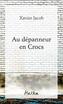
Au dépanneur en Crocs Jacob Xavier 19,95 $
-
 version électronique disponible
Fondateur (Le) Da Empoli Giuliano 42,95 $
-
 Ce qui nous frôle sous la surface MCCANN COLUM 38,95 $
-
 version électronique disponible
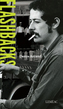
Flashbacks ARCAND DENYS 17,95 $


